How to Clean Your Pool Deck Safely with Pressure Washing in Orange Park
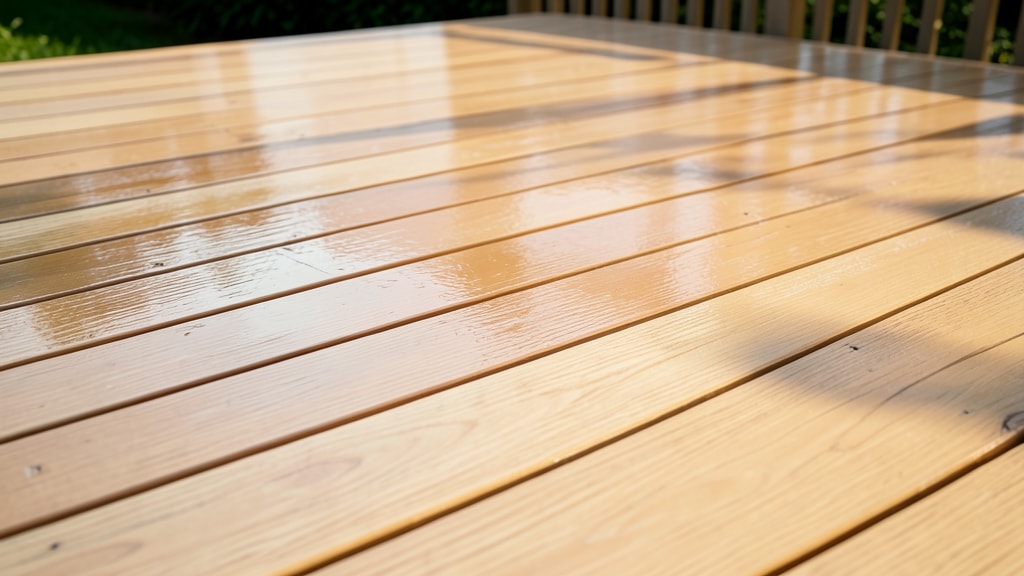
A pool deck takes a beating from Florida’s heat, humidity, and constant foot traffic. Pressure washing restores its look and safety, but doing it wrong can etch concrete, strip sealants, or even damage pavers. We’ll walk you through the right way to clean it without causing harm.
Why Pressure Washing Is the Best Choice for Pool Decks
Pool decks accumulate dirt, algae, and mildew faster than most surfaces due to constant moisture and sun exposure. Pressure washing blasts away grime that scrubbing or chemical cleaners alone can’t touch.
It’s also faster and more thorough, especially for textured surfaces like broom-finished concrete or stamped pavers. In our climate, regular cleaning prevents slippery buildup that can create hazards around the pool.
Know Your Pool Deck Material First
Concrete, pavers, travertine, and wood each demand different PSI and techniques. Concrete and pavers handle higher pressure, while wood decks or softer stone require a gentler touch to avoid damage.
Composite decking? Keep the pressure low and use a wide-angle nozzle. Always test a small, hidden area first to gauge the surface’s tolerance.
| Material | PSI Range | Nozzle Tip | Notes |
|---|---|---|---|
| Concrete (Broom Finish) | 2,500–3,500 PSI | 25°–40° | Use a surface cleaner for even results |
| Pavers (Interlocking) | 2,000–2,800 PSI | 25°–40° | Avoid lifting sand between joints |
| Wood (Pressure-Treated) | 1,200–1,800 PSI | 40° | Keep nozzle 12–18 inches away |
| Travertine/Flagstone | 1,000–1,500 PSI | 40° | Use soft wash for delicate stone |
| Composite Decking | 1,200–1,500 PSI | 40° | Never exceed manufacturer guidelines |
Essential Pressure Washing Equipment for Pool Decks
A gas-powered pressure washer (2.5–4 GPM) is ideal for most residential pool decks. Electric units work for smaller areas but lack the power for deep cleaning.
Invest in a surface cleaner attachment for large, flat areas—it cuts time in half and prevents streaking. A turbo nozzle can tackle stubborn stains but use it sparingly to avoid damage.
A 14–18 inch surface cleaner distributes pressure evenly, preventing wand marks and speeding up the job. It’s a game-changer for concrete and paver decks.
Prepping Your Pool Deck for Pressure Washing
Clear the area of furniture, toys, and planters. Sweep away loose debris to prevent clogging the pressure washer or scratching the surface.
Pre-treat heavy stains with a pool-safe degreaser or a 50/50 mix of water and white vinegar. For mold or algae, a diluted bleach solution (1 part bleach to 10 parts water) can help loosen buildup before washing.
Cover nearby plants or landscaping with plastic sheeting to protect them from overspray, especially if using detergents.
Pre-Wash Checklist
- Remove all furniture and accessories
- Sweep away leaves and debris
- Pre-treat stains with appropriate cleaner
- Cover plants and electrical outlets
- Check for loose or damaged pavers/concrete
- Inspect sealant (if applicable) for peeling or wear
Step-by-Step Pressure Washing Technique
Start with the lowest PSI setting and a wide-angle nozzle (40°). Hold the wand 12–18 inches from the surface and test in an inconspicuous area.
Work in sections, moving the nozzle in smooth, overlapping strokes. For concrete, keep the wand moving to avoid etching. On pavers, angle the spray to avoid dislodging joint sand.
For vertical surfaces like pool coping, use a 25° nozzle and maintain a consistent distance to prevent streaking.
Avoid These Common Pressure Washing Mistakes
Never use a 0° (red) nozzle on a pool deck—it can gouge concrete or splinter wood. Stick to 25° or wider for most tasks.
Avoid pressure washing in direct sunlight. The heat can cause detergents to dry too quickly, leading to streaks or residue. Early morning or late afternoon is ideal in Orange Park’s climate.
Don’t ignore the edges. Pool decks often have tight spaces near the water or walls. Use a smaller nozzle or a brush attachment to clean these areas thoroughly.
High pressure can blast out the sand between pavers, leading to weeds or shifting. Use a lower PSI and a wider nozzle near joints.
Post-Washing Care and Maintenance
Allow the deck to dry completely (24–48 hours in our humidity) before applying sealant or allowing foot traffic. This prevents moisture from getting trapped under protective coatings.
For concrete or pavers, consider re-sanding the joints after cleaning to maintain stability. Wood decks may need re-sealing every 1–2 years to protect against Florida’s UV rays and moisture.
Regular maintenance—sweeping, spot cleaning, and annual pressure washing—extends the life of your pool deck and keeps it looking its best.
When to Call a Professional
Some pool decks require specialized care. If your deck has intricate designs, delicate materials like travertine, or heavy staining, our team can assess the best approach.
We also handle larger projects, commercial properties, or decks in hard-to-reach areas like Doctors Inlet or Fleming Island. Pressure washing near pools requires extra caution to avoid contaminating the water with chemicals or debris.
How to Pressure Wash a Concrete Pool Deck
Follow these steps for a safe, streak-free clean on concrete pool decks.
- 1Prepare the Area
Remove all furniture and sweep away debris. Cover nearby plants and electrical outlets.
- 2Pre-Treat Stains
Apply a concrete-safe degreaser or a 50/50 vinegar-water mix to stubborn stains. Let it sit for 10–15 minutes.
- 3Set Up the Pressure Washer
Use a 25°–40° nozzle and set the PSI between 2,500–3,500. Attach a surface cleaner for large areas.
- 4Wash in Sections
Start at the farthest corner and work toward the pool. Keep the wand moving to avoid etching.
- 5Rinse and Inspect
Rinse the entire deck with clean water. Check for missed spots or damage before drying.
- 6Allow to Dry
Let the deck dry for 24–48 hours before sealing or using the area.
Frequently Asked Questions
Can I pressure wash my pool deck myself, or should I hire a pro?
DIY is possible for small, simple decks with the right equipment and precautions. However, for large areas, delicate materials, or if you’re unsure about settings, hiring a pro ensures safety and quality. Request a quote to compare options.
What’s the best time of year to pressure wash a pool deck in Orange Park?
Spring and fall are ideal—temperatures are milder, and humidity is lower, allowing decks to dry faster. Avoid the peak of summer when the heat can cause cleaners to evaporate too quickly.
Will pressure washing damage my paver pool deck?
Not if done correctly. Use a PSI between 2,000–2,800, a wide-angle nozzle, and avoid blasting directly at the joints. Re-sand the joints after cleaning to keep pavers stable.
How do I remove black algae stains from my pool deck?
Pre-treat with a pool-safe algae remover or a bleach solution (1 part bleach to 10 parts water). Let it dwell for 10–15 minutes, then pressure wash with a 25° nozzle. For stubborn stains, a second application may be needed.
Can pressure washing help with slippery pool decks?
Absolutely. Algae, mold, and dirt create slippery surfaces. Pressure washing removes these hazards, restoring traction. For extra safety, consider applying a non-slip sealant after cleaning.
Do you service pool decks in Fleming Island or Middleburg?
Yes, we serve Orange Park and surrounding areas, including Fleming Island, Middleburg, Green Cove Springs, and Doctors Inlet. Our team is familiar with the local climate and common pool deck materials in these neighborhoods.